
Machining Gears in a Job Shop Environment
February 2, 2026
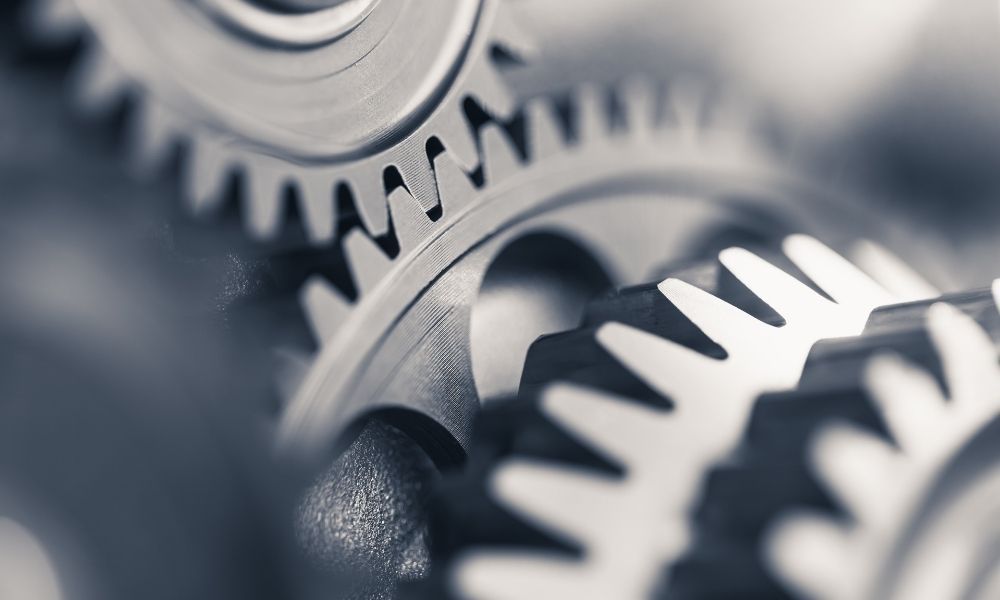
Precision gear machining is a critical service for job shops supporting industrial, commercial, and OEM customers.
From custom gears and prototypes to replacement parts and short production runs, job shops play a vital role in delivering high-quality machined gears with fast turnaround and exact specifications.
Custom Gears, Built to Spec
In a job shop setting, gear machining is all about flexibility, precision, and problem-solving. Unlike high-volume production facilities, job shops specialize in custom gears, short runs, prototypes, and repair work—often with tight timelines and unique specifications.
Job shops frequently machine gears that are:
• One-off or low-quantity parts
• Replacement gears for obsolete or legacy equipment
• Prototypes for new designs
• Modified gears to improve performance or fit
Every job is different, which means setups, tooling, and machining strategies must be adapted for each project.
Versatile Machining Processes
To meet a wide range of customer needs, job shops rely on multiple gear machining methods:
• Gear Hobbing
Ideal for spur and helical gears in small to medium batch sizes. Job shops often use hobbing for its accuracy and repeatability, even on short runs.
• Gear Shaping
Especially valuable for internal gears, splines, and tight-clearance designs. Shaping allows job shops to tackle work that other facilities may turn away.
• CNC Milling
Used for prototypes, repairs, and non-standard gear forms. CNC milling offers maximum flexibility when standard cutters or tooling aren’t an option.
• Gear Grinding (When Required)
For applications demanding tighter tolerances, improved surface finish, or quiet operation, grinding may be used after heat treatment.
Materials and Repair Work
Job shops commonly machine gears from a wide range of materials, including carbon steel, alloy steel, stainless steel, bronze, and engineered plastics. In repair applications, matching existing materials and tooth profiles is critical to ensure proper meshing with mating components.
Reverse engineering worn or broken gears is also a common job shop service, requiring careful measurement, inspection, and experience.
Precision Without the Volume
Even in low-quantity work, precision is non-negotiable. Job shops depend on:
• Skilled machinists and programmers
• Accurate fixturing and setups
• In-process inspection and final verification
Meeting customer tolerances and functional requirements is just as important for a single gear as it is for a full production run.
Value Beyond the Machine
What sets a job shop apart is more than equipment—it’s problem-solving. Customers often rely on job shops for:
• Design feedback and manufacturability guidance
• Fast turnaround on time-sensitive projects
• Creative solutions for complex or obsolete gear designs
This collaborative approach helps customers reduce downtime and keep equipment operating reliably.
Closing / Call to Action
Looking for a job shop that specializes in custom gear machining? Whether you need a single replacement gear, a prototype, or a short production run, an experienced job shop can deliver precision, reliability, and fast turnaround. Contact a trusted gear machining partner to discuss your project and keep your operation moving.
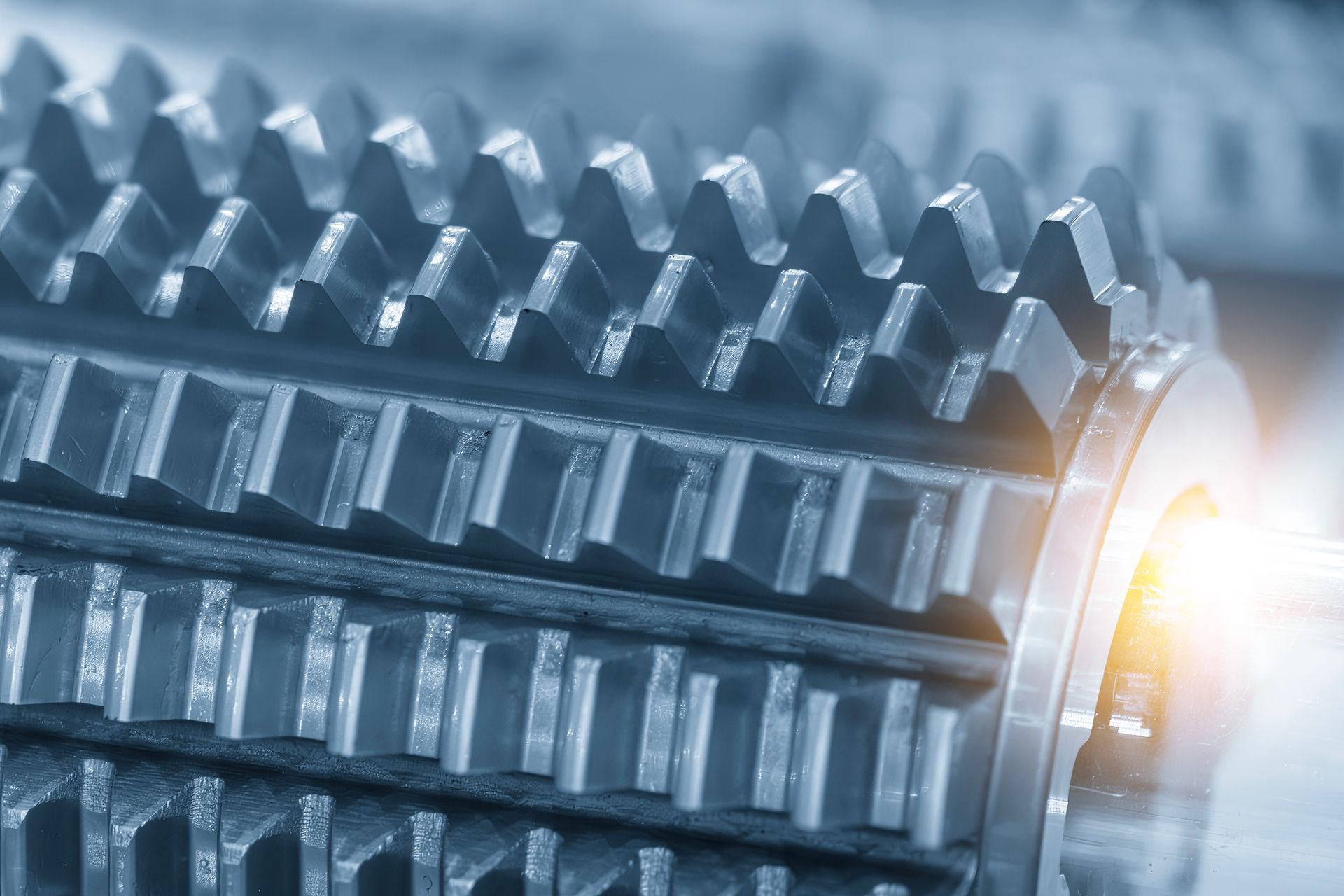
Learn about equipment spline cutting in Sidney, OH. Call Chickasaw Machine & Tool Inc at (800) 625-8665 for precision spline cutting services.
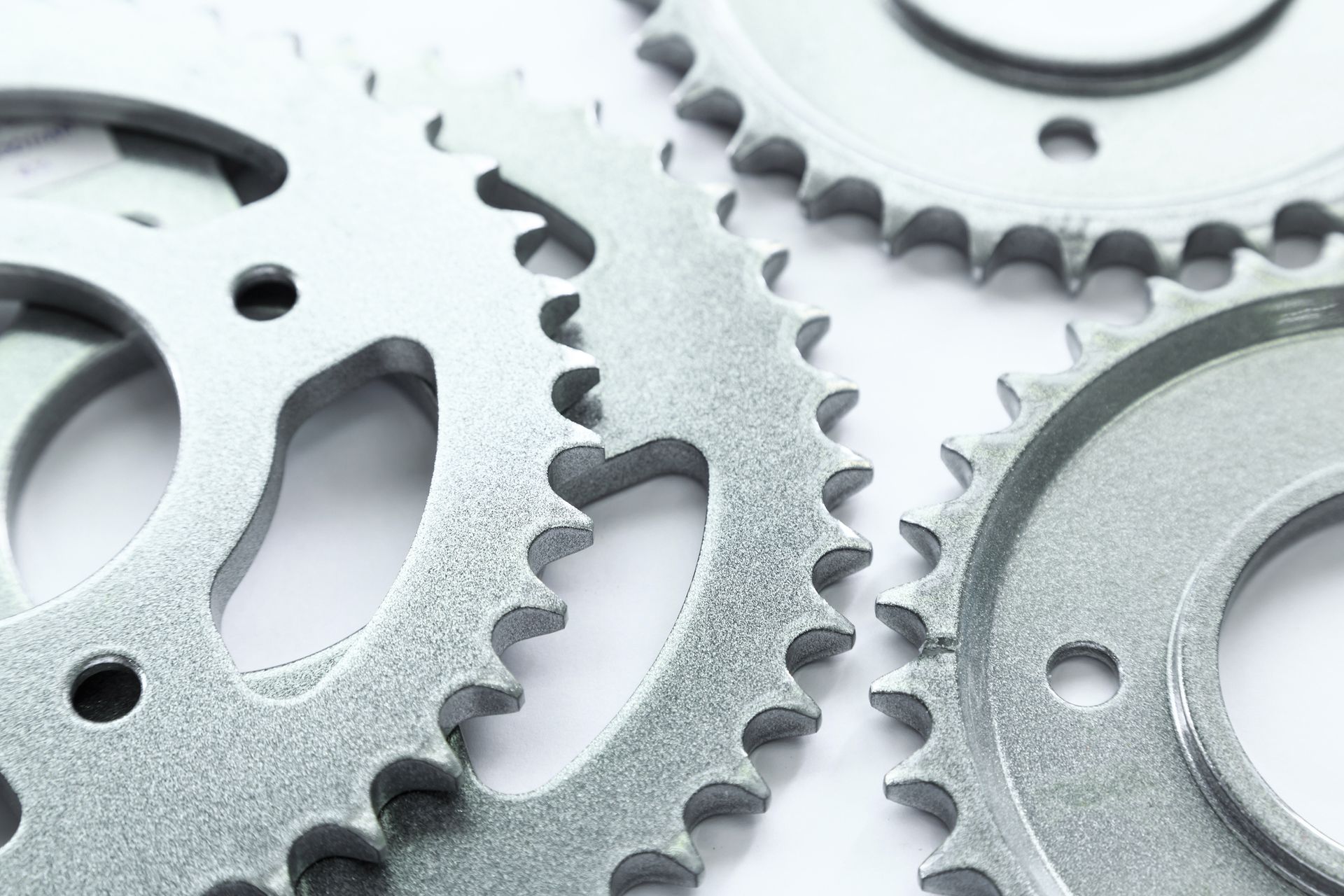
Discover why precision in spline cutting is essential for industries in Sidney, OH. Learn key points and how Chickasaw Machine & Tool Inc. can provide reliable services.